Experienced Roofing Contractor for Sturdy Solutions
Securing an experienced roofing contractor is important for obtaining long-lasting solutions. Their skills and knowledge of materials can significantly impact a home's durability and maintenance. A trusted contractor will not only comply with industry standards but also delivers insights into ideal choices for specific needs. Understanding the benefits and processes pertaining to selecting the right contractor prompts important questions. What should homeowners evaluate before settling on their decision?
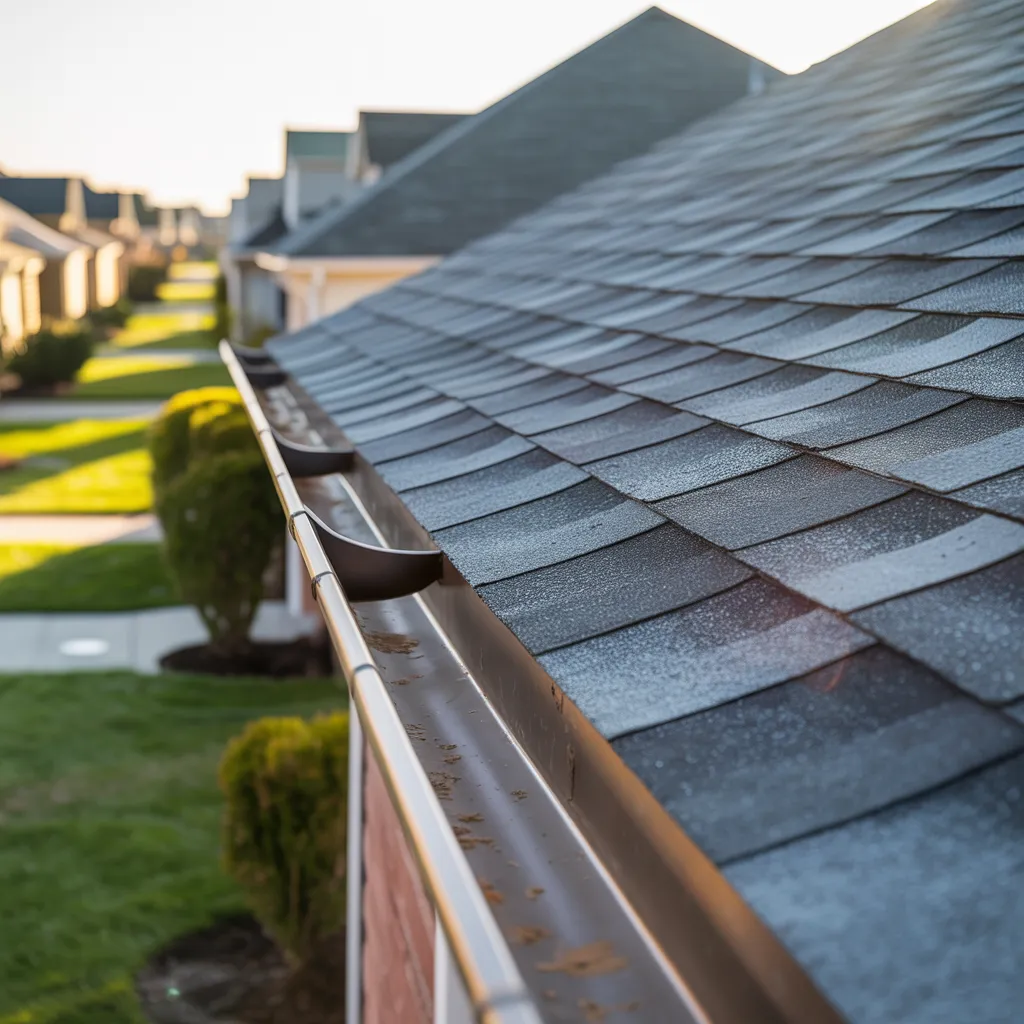
Why Choose an Accomplished Roofing Contractor?
When property owners look for roof repair options, choosing an experienced contractor can greatly influence the quality and durability of the final result. Experienced contractors possess a wealth of knowledge about various roofing materials and techniques, allowing them to suggest the best options customized to specific needs. Their knowledge ensures that installations adhere to industry standards, decreasing the likelihood of future issues.
Additionally, seasoned contractors often maintain established relationships with suppliers, allowing them to source high-quality materials at competitive prices. This expert tips can produce a more cost-effective project without compromising on quality.
Furthermore, seasoned contractors typically provide warranties on their work, providing homeowners with peace of mind. This guarantee reflects their confidence in the craftsmanship they deliver. Ultimately, selecting an experienced roofing contractor not only enhances the immediate outcome but also contributes to the long-lasting performance and safety of the home.
How to Determine When You Should Hire a Roofing Contractor?
What signs might a homeowner spot as the perfect time to call a roof expert? Catching the signs of roof damage proves indispensable for caring for a safe and functional home. Home dwellers ought to pay attention to for missing, fractured, or twisted shingles, which communicate potential harm. In addition, water stains visible on ceilings or inside walls could suggest leaks needing quick attention. A sagging roofline constitutes another substantial warning sign, regularly revealing structural issues at the base.
Additionally, elevated utility expenses can indicate insufficient insulation or faulty ventilation caused by roofing issues. Routine inspections after harsh weather conditions such as storms or heavy snowfall are important to identify any developing problems promptly. If any of these red flags are observed, it is advisable to contact a qualified roofing contractor to evaluate the situation and recommend necessary repairs or replacements. Prompt action can avoid further damage and guarantee the durability of the roof.
Reasons to Choose a Professional Roofing Contractor
Engaging a professional roofing contractor delivers significant advantages, particularly in expertise and skill. These professionals are qualified to manage different roofing issues while ensuring the use of quality materials. As a result, this leads to sturdy and dependable roofing systems that can withstand the passage of time.
Mastery And Expertise
Although many homeowners may consider handling roofing projects themselves, the knowledge and expertise of a professional roofing contractor can significantly improve the outcome. These specialists have specialized training and extensive experience, enabling them to identify potential issues that an untrained eye might fail to notice. Their mastery of various roofing techniques guarantees proper installation, which is vital for longevity and durability. Furthermore, professional contractors stay updated on the latest industry standards and safety regulations, reducing risks during the project. By utilizing their skills, homeowners can avoid costly mistakes often associated with DIY attempts. Ultimately, hiring a roofing contractor not only leads to higher-quality work but also provides peace of mind, knowing that the roofing system is in capable hands.
Quality Materials Assurance
A experienced roof expert delivers not only expertise but also access to high-quality materials that considerably determine the resilience and efficiency of a roof installation. By obtaining materials from reputable manufacturers, these contractors confirm that clients obtain goods built to endure environmental stresses, such as extreme weather conditions. This focus on excellence minimizes the likelihood of repairs or replacements in the future, offering homeowners peace of mind. Moreover, professional contractors are knowledgeable about the current best practices and developments, allowing them to recommend supplies that enhance energy efficiency. In conclusion, the choice to hire a qualified roof expert certifies that the roof work is completed with superior materials, resulting in a reliable and long-lasting roof system.
Types of Roof Coverings and Their Longevity
When examining roofing choices, different materials deliver unique advantages concerning durability. Asphalt shingles, recognized for their affordability, provide a reliable solution, while metal roofing delivers improved longevity and resistance to severe weather. Furthermore, tile roofing is praised for its outstanding durability, making it a valuable option for homeowners pursuing lasting protection.
Asphalt Shingles Overview
Numerous property owners prefer asphalt shingles due to their balance of affordability and longevity. These shingles, composed primarily of asphalt and fiberglass, deliver a adaptable roofing solution. They come in a variety of styles and colors, allowing homeowners to adjust their roofs to match their aesthetic preferences. The average lifespan of asphalt shingles varies from 15 to 30 years, depending on the quality and installation. Additionally, they perform admirably in various weather conditions, enduring wind and rain effectively. Maintenance is comparatively straightforward, often requiring only routine inspections and cleaning. As a widely used roofing material, asphalt shingles also provide good fire resistance, contributing to their appeal among homeowners seeking reliable and cost-effective roofing options.
Metal Roofing Benefits
While many homeowners desire durability in roofing materials, metal roofing excels as an outstanding choice. Recognized for its impressive longevity, metal roofs can last 40 to 70 years, significantly outpacing conventional choices like asphalt shingles. They are resistant to a range of weather conditions, including heavy rain, snow, and wind, making them perfect for diverse climates. Additionally, metal roofing reflects solar heat, enhancing energy efficiency and reducing cooling costs. Its lightweight nature allows for easier installation and less structural strain. Available in a range of styles and colors, metal roofs also enhance a home's aesthetic appeal. With minimal maintenance requirements, metal roofing proves to be a smart investment for homeowners emphasizing durability and sustainability.
Tile Strength Perspectives
Tile roofing provides another durable option for homeowners seeking long-lasting options. Recognized for its durability, tile roofing can resist harsh weather conditions, including intense sunlight, heavy rain, and powerful winds. Concrete and clay tiles are the most popular types, each offering unique advantages. Clay tiles are fire-proof and can last over 100 years, while concrete tiles offer affordability and versatility in design. Both types require little maintenance and are immune to rot and insects. Furthermore, tile roofing aids to energy efficiency by bouncing back sunlight, reducing cooling costs. However, it is essential to assess the weight of tile roofing, as it may require extra structural support. Overall, tile roofing remains a smart choice for longevity and longevity.
Assessing Roofing Projects: Essential Standards Metrics
When assessing the standard of roofing work, several key factors emerge that can greatly influence a project's durability and functionality. First, the materials used must meet professional requirements; high-quality materials guarantee longevity and withstand environmental stressors. Second, the installation technique is critical; improper installation can lead to water damage and structural issues, regardless of material quality. Third, careful consideration in flashing and sealing can prevent water intrusion, a common source of damage.
Additionally, the presence of adequate ventilation is essential, as it helps in regulating heat levels and moisture within the roofing system. Finally, an reputable service provider will provide coverage for both supplies and workmanship, showing assurance in their services. By reviewing these indicators, property owners can make sound decisions about the quality of roof construction and its potential effect on their asset.
Questions to Ask Before Hiring a Roofing Contractor?
How can property owners guarantee they pick the most suitable roofing contractor? To obtain a successful roofing project, real estate investors should ask multiple important questions. First, they should inquire about the contractor's credentials and coverage status to confirm their authenticity and defense against unforeseen issues. Next, it is crucial to request references from prior clients, allowing insight into the contractor's work quality and reliability.
Additionally, homeowners should talk about the estimated timeline and payment plan for the project, ensuring clarity on expenses and timelines. Inquiring about the materials employed and their guarantees can also demonstrate the contractor's commitment to durability and quality. Finally, comprehending the contractor's approach to safety procedures can provide confidence about the work environment. By addressing these inquiries, homeowners can make well-informed choices and select a roofing contractor that satisfies their particular requirements.
Determining the Right Roofing Material for Your Specific Requirements
Identifying the optimal roof choice is vital for assuring a building's long-term durability and aesthetic appeal. Diverse factors influence this decision, plus climate, financial plan, and building design. Asphalt shingles are well-liked for their economical pricing and ease of installation, making them appropriate for various property owners. Metal roofs, valued for their lasting quality and resistance to extreme weather, resonate with those desiring reliable options.
For a more environmentally conscious option, slate and tile offer durability and a unique look but come at a increased cost. Additionally, property owners should think about energy-saving benefits; materials like reflective metal can reduce cooling costs.
In the final analysis, the determination should accommodate both functional needs and individual desires. Working alongside an experienced roofing contractor can impart worthwhile perspective, guaranteeing that the elected material enhances the property while meeting ongoing needs.
Frequently Inquired About Questions
What Period Does a Average Roofing Project Take to Finish?
A typical roof installation usually requires around one to three weeks to finish. Factors affecting the schedule consist of roof size, materials used, weather conditions, and the complexity of the installation process.
What Warranties Do Roofing Contractors Typically Deliver on Their Work?
Roofing contractors usually offer guarantees ranging 5 to 30 years, determined by the materials used and the complexity of the project. These warranties often address workmanship and material defects, ensuring extended safeguarding for clients.
What payment alternatives Are accessible for roofing projects?
Many roofing contractors provide financing options, encompassing payment plans, credit options, and revolving credit. These alternatives can assist homeowners manage costs with greater efficiency, allowing roof installations more available without compromising craftsmanship or necessary repairs.
What's the Best Way to Protect My Roof Once It's Been Installed?
To maintain a roof after installation, regular inspections for debris and damage are essential. Gutter cleaning, checking flashing, and ensuring adequate ventilation can avoid problems, prolonging the roof's lifespan and maintaining its integrity.
What Actions Should I Follow if I Identify Roof Leaks?
After noticing roof leaks, the individual should promptly inspect for visible damage, review drainage channels, and clear debris. Employing a specialist for a complete review and vital restoration secures sustained preservation and prevents further construction deterioration.